Agri-Technology
What the field taught us: MIF in May
Field learnings, conversations and early preparations for the Indian Innovation Icons.
May 27, 2026
Transforming agricultural waste into textile-grade fibres, creating scalable climate impact for India’s fashion ecosystem with MIF’s Scale Up.


When Canvaloop set out to reimagine the Indian textile sector, it had a simple goal: to transform agricultural waste—typically burned and responsible for significant air and land pollution—into high-performance, sustainable fibres. The startup used closed-loop technology to extract 100% biodegradable, textile-grade fibres. Its patent pending process transforms crop waste into fibers that closely resemble the physical properties of cotton. This makes fibre suitable for products like T-shirts, denim, home textiles and more, offering a sustainable alternative. Canvaloop’s method also uses just 0.1% of the water required by conventional cotton fibre production.
The idea was born out of both professional legacy and a sense of personal awakening. CEO Shreyans Kokra, whose family has been in the textile business for over four decades, became acutely aware of the industry’s environmental impact during his entrepreneurship course at Babson College in the US. That became the springboard for Canvaloop’s mission to align fashion with sustainability, without compromising on performance or scalability.
Like many cleantech startups navigating the complex landscape of Indian agriculture and manufacturing, Canvaloop’s road to scale was far from smooth. A key bottleneck was raw material sourcing. The startup identified crop waste as a promising raw material, but struggled to build a reliable, farmer-friendly sourcing model within India. Due to the fragmented nature of agricultural waste collection, the company had no choice but to import linseed waste from Egypt and Europe, facing higher costs and inconsistent quality in the process.
This changed in October 2024, when Canvaloop joined Marico Innovation Foundation’s Scale-Up programme. MIF, in collaboration with the National Association for Farmer Producer Organisations (NAFPO), worked closely with the startup to unlock a domestic sourcing model.
With guidance offered by MIF’s bespoke mentorship led by Arun V, Head Operations, Digital Business Procurement, Marico, Canvaloop was able to identify key linseed-producing regions and connect with grassroots-level Farmer Producer Organisations (FPOs) such as Madhya Bharat Consortium and Transform Rural India Foundation (TRIF). These collaborations allowed the startup to understand harvesting patterns and current waste handling practices. This enabled Canvaloop to streamline waste collection and collate waste from different smallholder farmers.
With MIF’s support, Canvaloop is reducing import dependency, ensuring better quality control, and significantly lowering procurement costs.
Canvaloop has delivered a significant impact on multiple fronts since:
Canvaloop’s model illustrates how a circular economy can be built at the intersection of climate innovation, inclusive sourcing, and grassroots entrepreneurship. By monetising what was previously considered waste, the company is enabling farmers to earn more, reducing open-field burning (a major source of air pollution), and creating jobs in rural India.
As of 2025, Canvaloop remains an active Scale-Up participant. Its journey underscores what’s possible when startups, ecosystem enablers like MIF, and FPOs work together to build scalable, inclusive, and climate-positive enterprises—right from India’s farms to its fashion stores.
Field learnings, conversations and early preparations for the Indian Innovation Icons.
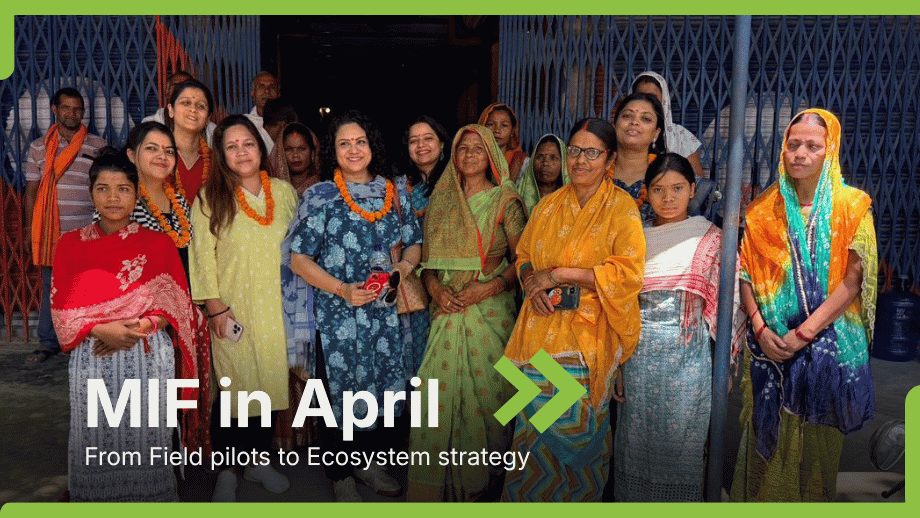
A month of on-ground agri-tech implementation, sharper strategic alignment and reflections on building for the long term at Marico Innovation Foundation.
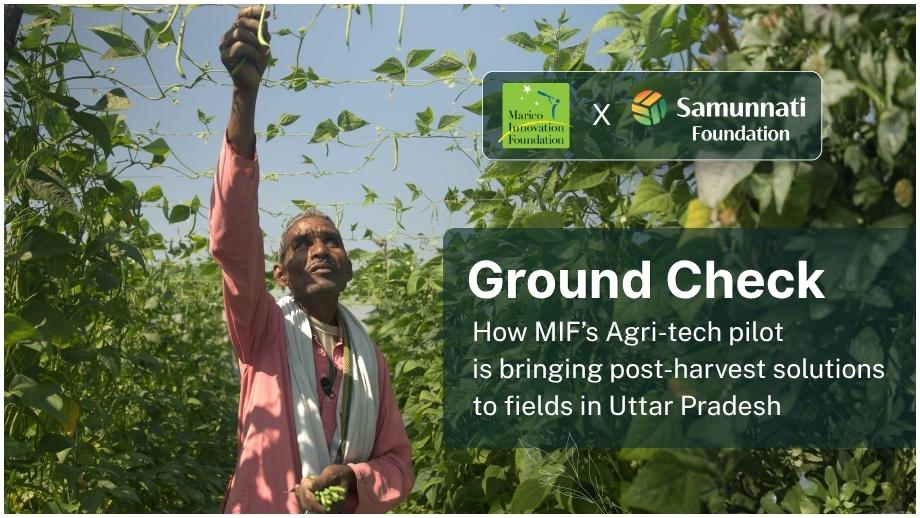
Implementation, demonstrations and farmer feedback take center stage in the latest phase of Marico Innovation Foundation’s Agri-Tech Pilot

Get insights from entrepreneurs, investors, and change-makers on innovation,
success and what it takes to get there.