Ground Check: How MIF’s Agri-tech pilot is bringing post-harvest solutions to fields in Uttar Pradesh
Implementation, demonstrations and farmer feedback take center stage in the latest phase of Marico Innovation Foundation’s Agri-Tech Pilot
By Marico Innovation Foundation April 8, 2026 | 11:00 AM
For many farmers, the most uncertain phase of the agricultural cycle begins after harvest. When fresh fruits and vegetables lack proper storage, handling, or transport, months of labour and investment can lose value within days. For smallholder farmers, these post-harvest losses directly affect incomes and market access.
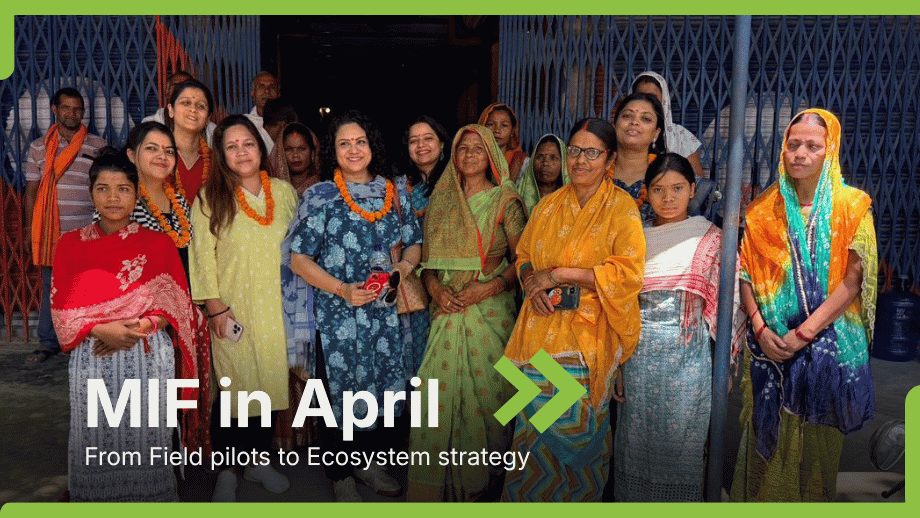
This is the challenge Marico Innovation Foundation (MIF) along with our implementation partner Samunnati Foundation, is working to address in Mirzapur and Varanasi, Uttar Pradesh.
Subscribe to InnoWin
Get insights, lessons, and candid stories from entrepreneurs, investors, and change-makers driving India's innovation ecosystem—once a month.
Having identified the problem and curated start-up solutions, the work is now centered on implementation: strengthening understanding of ground realities through building awareness, preparing sites, and introducing farmers to technologies through live demonstrations. Here is a closer look at how these innovations will be implemented.
Starting with the Baseline
Field coordinator interviewing a local farmer
An on-ground baseline survey covering 500 farmers across Mirzapur and Varanasi has been completed. The survey captures key details that will help shape the implementation and measure impact over time. It tracks:
the main crops farmers cultivate across the Kharif, Rabi, and Zaid seasons
existing storage methods
current grading and sorting practices
It covers produce shelf life and peak spoilage stages, while also highlighting the financial impact on farmers and their willingness to adopt the solution.
The baseline survey analysis will establish a clear benchmark to assess how the pilot’s interventions can improve post-harvest outcomes over time.
Building Awareness
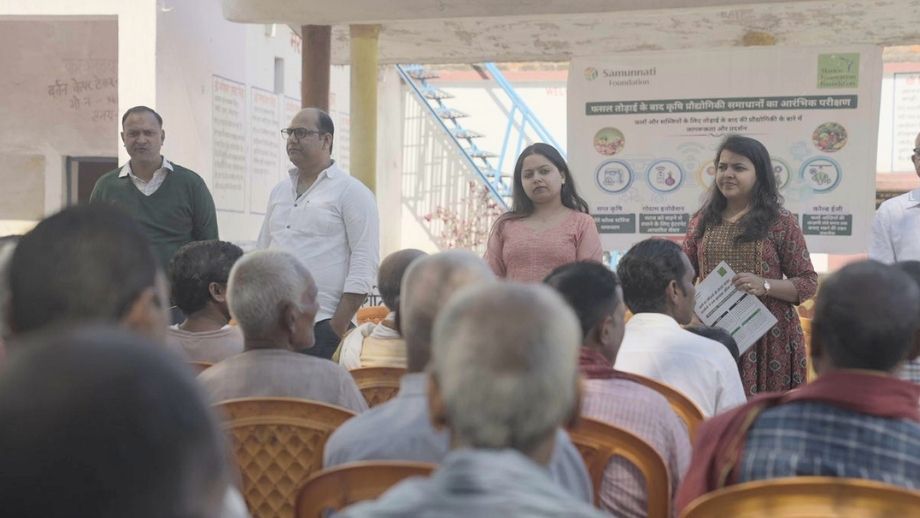
Awareness sessions are a key part in this stage of the pilot. These sessions are currently being held across 30 villages. Approximately 60 sessions to reach over 1,000 farmers have been planned.
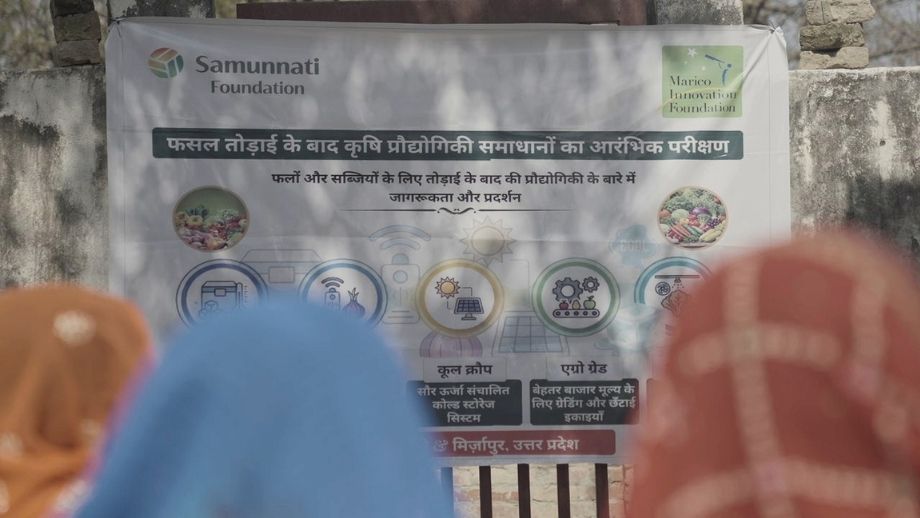
Spread over several days, the sessions introduced farmers to post-harvest technologies and explained how these technologies can help reduce losses, improve handling and quality, and help bring better market value home.
The sessions are also creating a space for questions, discussions, and early feedback from farmers, helping ensure that the implementation remains grounded in local realities rather than assumptions.
Action on the Ground: Technology Deployment and Demonstrations
Farmers attending the demos for Coldeasy and Agrograde post-harvest tech
Alongside surveys and awareness-building, on-ground preparation for technology deployment is underway. Technologies have begun arriving at the field locations in Uttar Pradesh and installation of the equipment is gathering momentum.
Live demonstrations are giving farmers an opportunity to see the specific solution in use. Demonstrations for the Agrograde AI sorting unit and the ColdEasy box have taken place giving farmers a chance to see the equipment work in real-time and gauge how it would fit into their daily workflow.
This matters because adoption is rarely driven by explanation alone. Seeing a technology in action, asking questions, and understanding how it may work in specific conditions can make a meaningful difference to farmer confidence.
What’s Next: Installation, Training, and Adoption
Following the technology demonstrations, the next step is the full installation and operationalization of the identified solutions from ColdEasy, Agrograde, Saptkrishi, and Godaam Innovations.
Once the equipment is functional on-site, farmers interested in actively adopting these tools will receive training and practical exposure to ensure they can confidently use the technology, paving the way for broader community adoption.
As the pilot progresses, our focus will continue to be on comprehensive training, continued awareness and capacity building with ongoing farmer feedback. This is where implementation becomes iterative with each interaction helping refine how the pilot is carried forward .
Read more about the MIF x Samunnati Foundation Agri-tech pilot here.
Round 1 Jury Deliberations for Indian Innovation Icons 2027, field learnings from Uttar Pradesh and conversations on circular plastics—September at MIF.
A month of on-ground agri-tech implementation, sharper strategic alignment and reflections on building for the long term at Marico Innovation Foundation.