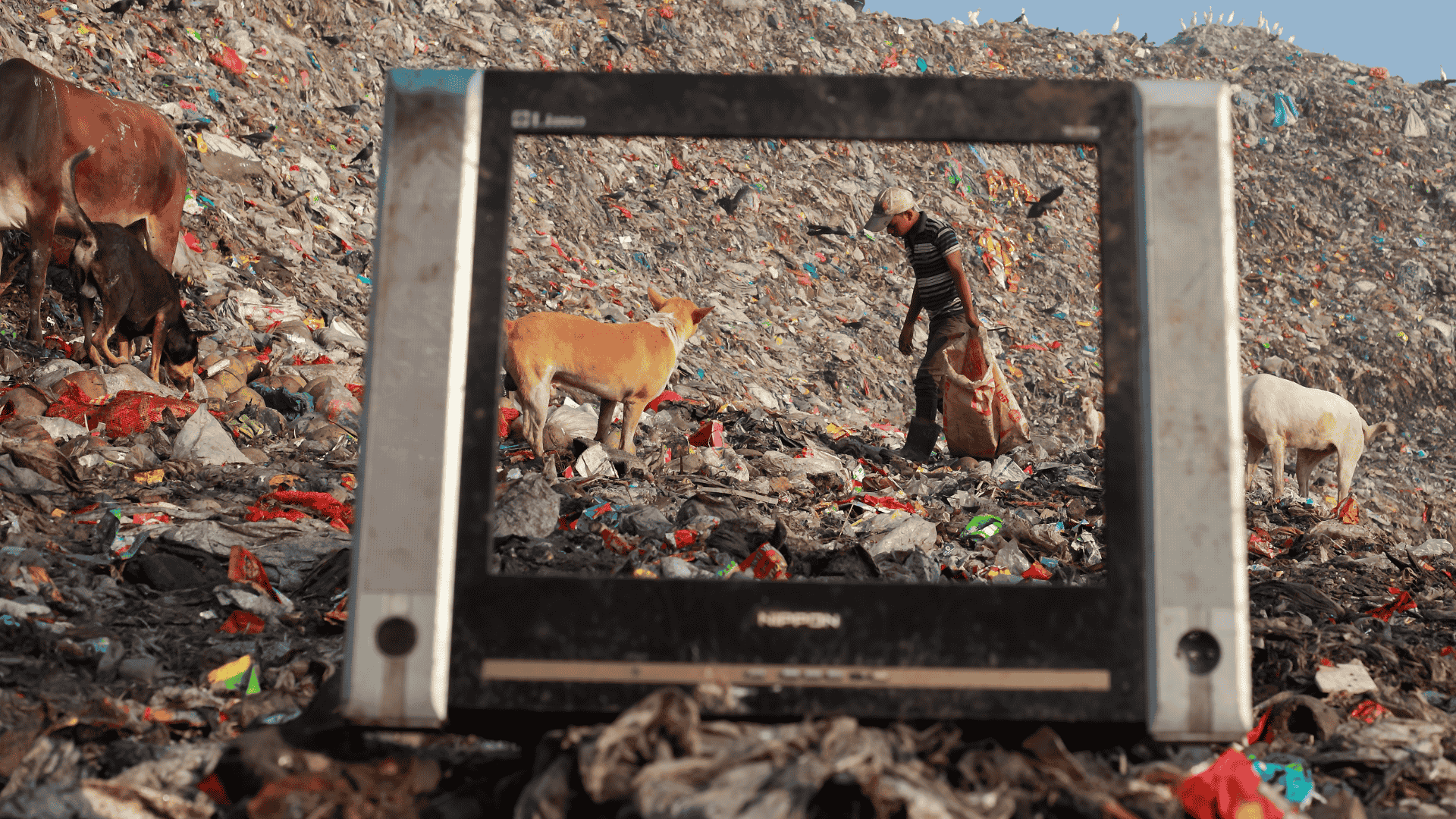
India is grappling with an escalating crisis in plastic waste management, demanding immediate action. The nation generates approximately 26,000 tonnes of plastic waste daily, amounting to nearly 3.46 million tonnes annually. This places India just behind the US and the European Union in terms of plastic waste generation. Tragically, the bulk of this waste is in landfills, rivers, oceans, and urban streets. Only 8% of this waste is recycled, according to the National Circular Economy Roadmap for Reducing Plastic Waste in India. This issue jeopardises public health and exacerbates climate change, positioning India among the top twelve contributors to the global mismanagement of plastic waste.
The infrastructure for managing plastic waste in India is woefully inadequate. Across the country, cities and towns lack efficient systems for collecting, separating, and reusing plastics, leading to significant environmental pollution. The absence of source segregation further complicates the recycling process, hindering the reuse of plastics.
The environmental impact also extends to aquatic ecosystems, where Indian rivers and oceans are becoming repositories for plastic debris. This pollution poses severe risks to marine life, with many species suffering from ingestion and entanglement, often resulting in death. The United Nations Environment Programme reports that 15,343 tonnes of waste from 60 major Indian cities end up in South Asian seas, disrupting marine ecosystems and leaching toxic substances into water bodies, affecting human health.

Moreover, the incineration of plastic waste contributes to air pollution and global warming. Burning plastics releases harmful gases and micro-particles, aggravating respiratory illnesses and adding to India’s greenhouse gas emissions. This impacts local air quality and contributes globally to the climate crisis.
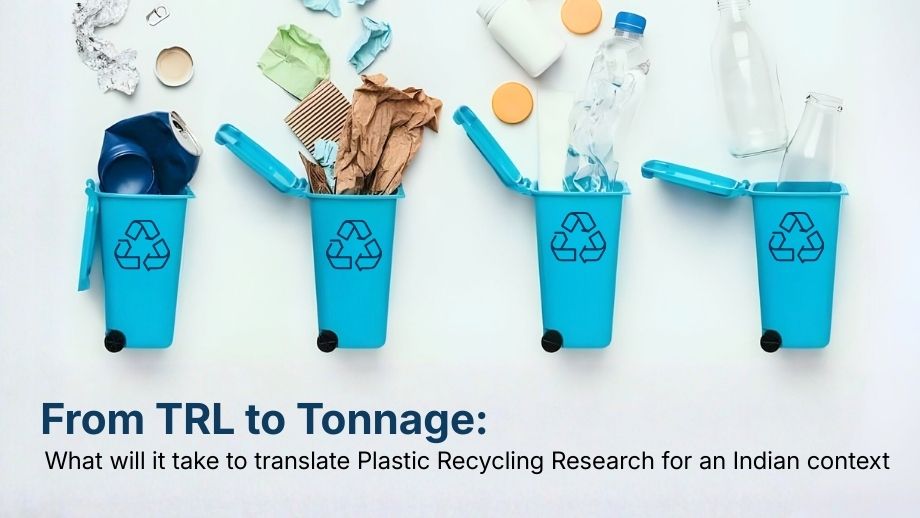
Addressing this pressing issue requires a shift in consumer behaviour towards sustainability. Educating the public about the importance of the three Rs—reduce, reuse, and recycle—is crucial. Effective solutions will need collaborative efforts from individuals, communities, and governments alike.
Marico Innovation Foundation (MIF) is at the forefront of driving innovation to combat plastic waste. Through our Plastics Program, we support startups like Ishitva Robotic Systems, which utilises AI for sorting dry waste; Ricron Panels and Angirus® IND, which create construction materials from recycled plastics; Bintix, which improves waste collection; and Zerocircle and Dharaksha Ecosolutions, which develop sustainable packaging materials. By providing these innovators with strategic mentorship and market access, MIF is helping pave the way towards a sustainable future – free from the perils of plastic waste.