Indian Innovation Icons
The Road to Indian Innovation Icons 2027
Discover how Marico Innovation Foundation evaluates and elevates the game-changing innovations with the potential to create lasting impact.
August 12, 2026
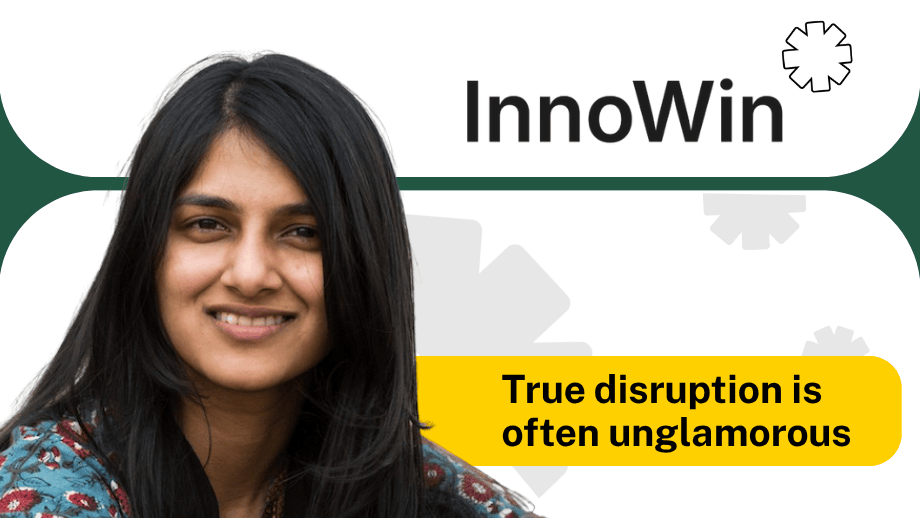
Saumya, Co-founder of Kheyti, reflects on the challenges of building climate-smart solutions.

Hi
In this edition of InnoWin, we speak with Saumya, Co-founder of Kheyti, who is building climate-smart solutions for smallholder farmers in India.
Trained as an engineer and shaped by years of working closely with farmers, Saumya focuses on building practical solutions at the intersection of climate resilience and livelihoods.
Kheyti, is part of Scale-Up, MIF’s no-equity accelerator program for startups working on innovations to address India’s most pressing challenges. In this conversation, Saumya reflects on what meaningful disruption truly looks like in agriculture and offers actionable insights for Gen-Z and women entrepreneurs.
Disruptive innovation is not about novelty, it’s about shifting who gets access, power, and dignity.
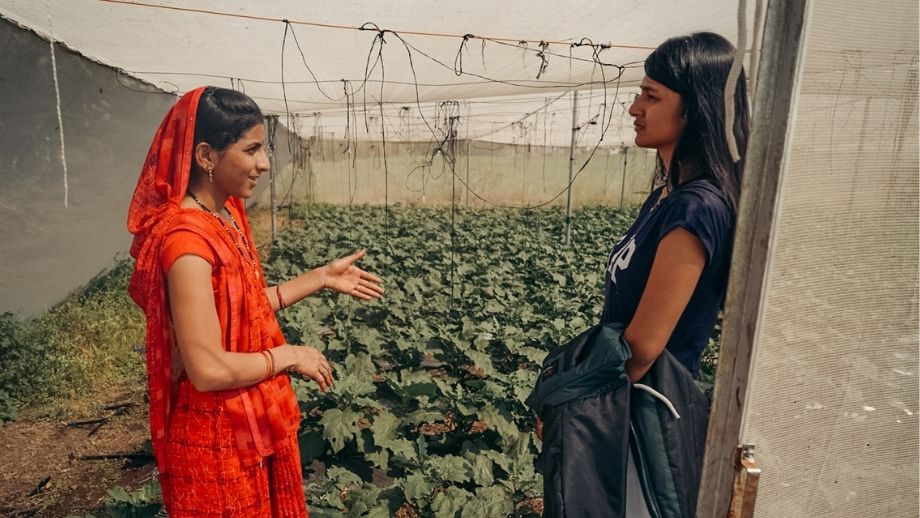
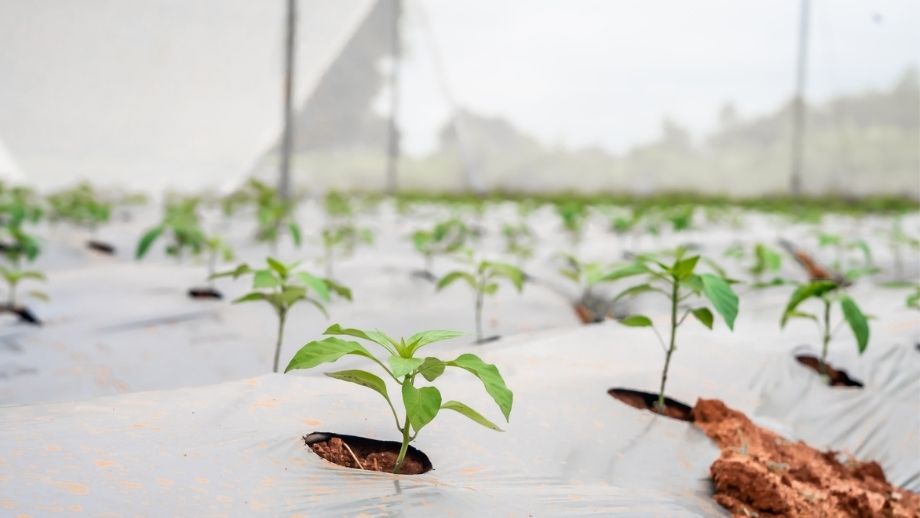
It took us 7 years and multiple iterations to get to our current ultra-low-cost shade net house. True disruption often looks unglamorous at first. It involves deep listening, and hard trade-offs.
Most failures were quiet: pilots that didn’t scale, pricing assumptions that didn’t hold or when farmers hesitated despite economic logic. But every setback brought us closer to understanding farmers’ realities better.
It also made a difference to have co-founders and a team who could absorb disappointment together, reflect honestly, and still show up the next day.
For me, a good idea is something that stands on its own over time.
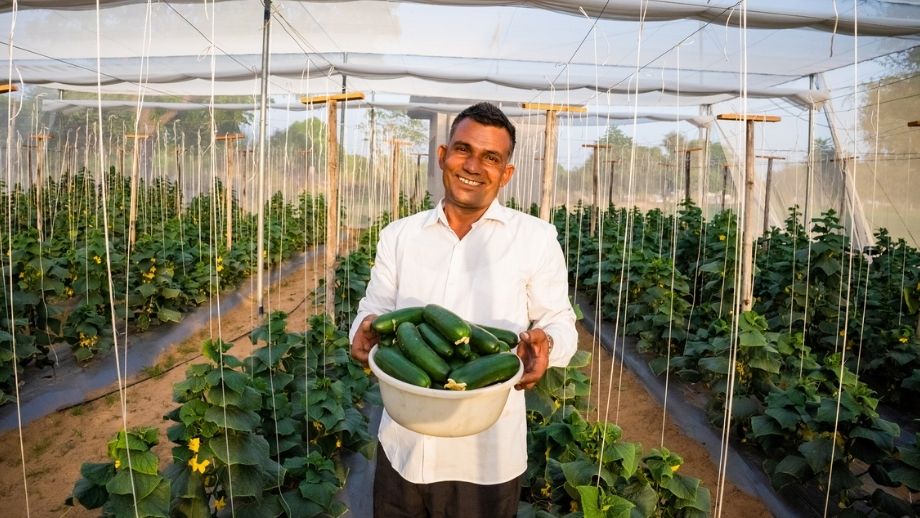
For Kheyti, this became clear when farmers did not need convincing to use protected cultivation every season, when they adapted it to their own context and started recommending it to others. Some of our strongest validation came when farmers invested their own money, many with their yearly savings. That level of trust told us more than any impact report ever could.
Ideas are tools, not truths.
When you stop seeing them as extensions of yourself, letting go becomes an act of responsibility. It creates space for something more honest to take shape, something that can survive reality, not just intention.
Compete on execution and integrity, but collaborate on learning and systems-building.

Get closer to the problem than the pitch. Spend time on the ground.
Be prepared for non-linear journeys.
Finally, don’t underestimate the emotional resilience required. Find mentors and communities who can hold space for both ambition and exhaustion.
Building tight feedback loops with end-users, partners and team members.
The balance between a stable “why” and a flexible “how” allows organisations to adapt to rapid shifts without reacting impulsively.
Don’t wait for permission. You will often be told to be more ready, more certain. Clarity comes from doing.
Build support systems early. Entrepreneurship can be isolating, and women are often expected to navigate challenges quietly.
Finally, let your ambition be expansive but define success on your own terms. If what you are creating aligns with your values and leaves the world a little more dignified, that is not just enough—it is powerful.
📌Building something transformative? Applications for the next edition of Indian Innovation Icons are opening soon. Watch this space for updates from Marico Innovation Foundation

Discover how Marico Innovation Foundation evaluates and elevates the game-changing innovations with the potential to create lasting impact.
Field learnings, conversations and early preparations for the Indian Innovation Icons.
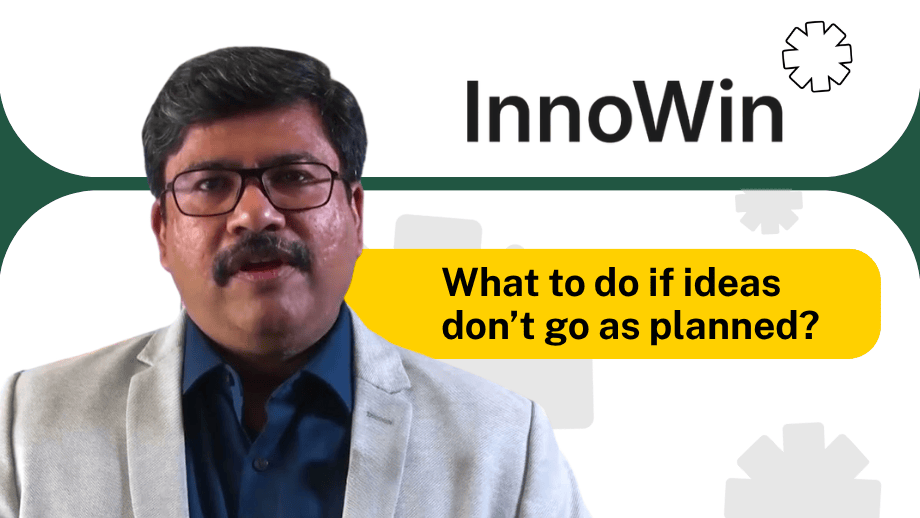
Bipin Odhekar shares perspectives on innovation, agility, and creating sustainable impact.

Get insights from entrepreneurs, investors, and change-makers on innovation,
success and what it takes to get there.